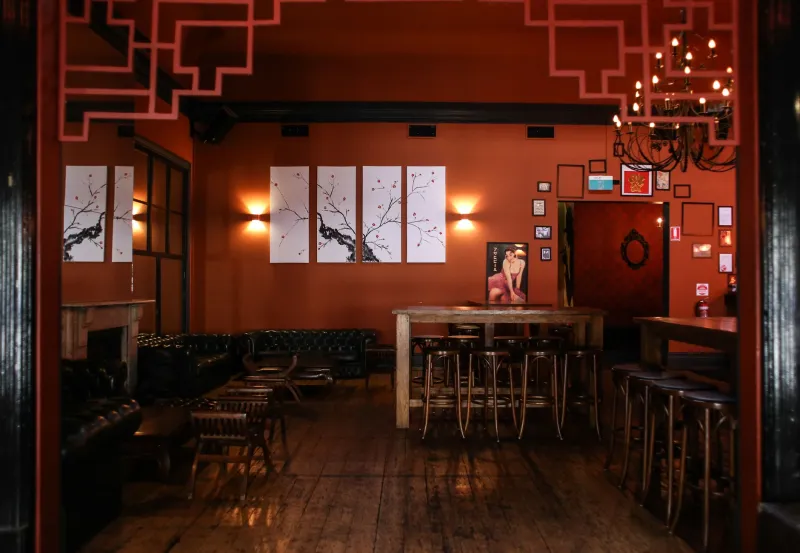
The Best Table in Britain Is Behind Someone’s Front Door

There is a moment, just before the first course lands, when a supper club stops being a slightly audacious idea and becomes the best restaurant in town. You’re in a flat. Someone’s records are on. The table is too close to the kitchen. A stranger is pouring you something natural and slightly cloudy. And you realise, with a small thrill, that you have no idea what’s coming next.
That feeling is why, in 2026, some of the most interesting dining in the UK is happening behind front doors. The supper club has shed its try-hard phase. It is no longer just a candlelit side hustle for chefs between leases. It is a proper alternative to the restaurant machine: smaller, stranger, more personal and — crucially — often better value than a tasting menu with a service charge and a bread course you didn’t ask for.
Why the front room won
Restaurants are expensive to run and expensive to book. Supper clubs are neither, at least not in the same way. A host can test an idea over one long table, charge £35–£65 a head, and find out immediately whether the room likes it. Guests get proximity to the cooking, a host with a point of view and the low-level social thrill of eating with people they did not arrive with. It is dinner and theatre, minus the velvet rope.
The best ones are not pretending to be restaurants. They are domestic in the right ways: proper glasses, yes, but also a slightly uneven table, a pudding served from the pan, a bathroom queue that turns into a conversation. The menu might be five courses or one large pot. What matters is that the host has a voice. If the evening feels like a dinner party with a waiting list, you’re in the right place.
Peckham to Glasgow: the new geography
London still leads the field, but not in the way it did a few years ago. Peckham dining rooms remain a reliable starting point — think short menus of British produce with a west African or south Asian accent, £45-ish, wine extra, one sitting at 7.30pm. But the interesting stuff has spread. Glasgow tenement tables are doing big, generous plates and BYO with a £10 corkage; Bristol hosts are leaning into bakery residencies and Sunday-lunch clubs; Leeds and Manchester have a growing crop of chef-led flats where the soundtrack is as considered as the food.
Price points are broad. A midweek supper club in someone’s kitchen might be £35 for three courses; a more ambitious weekend affair, with matched drinks and a named chef, can nudge £80–£100. The sweet spot is usually £50–£65: enough to make the host care, not so much that you expect a cloakroom.
Booking etiquette, without the panic
The good ones do not behave like restaurants. They sell out through mailing lists, Instagram drops and quiet word of mouth. Join the list before you need it. Book with one trusted friend rather than a group of eight; hosts often prefer pairs and fours because the table stays mixed. Pay the deposit promptly. Answer the dietary questions honestly and early — not on the day, not by DM at 5pm, and not with a list that reads like a manifesto.
If it is BYO, bring something you would be happy to drink and a little extra to share. If there is a corkage charge, pay it without sighing. Arrive on time, not fashionably late. Do not ask for a recipe mid-service. Do not photograph other guests. And if the host says the evening ends at 11pm, it ends at 11pm — they have neighbours, and possibly a job in the morning.
The dishes worth gossiping about
The 2026 supper-club menu is less about foam and more about nerve. Expect brown-butter crumpets with something pickled; a whole fish for the table; a vast, custardy pudding; a salad that seems simple until you realise it has four dressings. The dish people talk about is rarely the most expensive one. It is the thing the host clearly cannot stop making: a fermented chilli sauce, a loaf with a dark crust, a bowl of beans that tastes as if it has been simmering since the morning.
That is the gossip you want: not the celebrity in the corner, but the table arguing about whether the anchovy toast was better than the pudding. The best supper clubs create small, temporary obsessions. You leave with a new contact, a vague ambition to host your own and a note on your phone about a wine you cannot pronounce.
How to find a seat
Follow the hosts, not the hashtags. Look for newsletters, quiet announcements and repeat guests. Check the room, not just the menu: does the host explain the setup clearly? Are dietary needs handled without drama? Is there a cancellation policy that feels fair? Red flags include vague addresses until payment, no allergy process and a menu that reads like a restaurant’s greatest hits with none of the warmth.
Start with one supper club a month. Go with someone who will talk to strangers. Bring cash for a tip if the host does not take card. And leave a proper note afterwards — not a review, just a thank-you. In a city full of restaurants, the front room is still the most human place to eat.
Pelia’s advice? Book the table behind the door. The best restaurant in town might be someone’s flat, and the dress code is simply: come hungry, be curious, don’t outstay the pudding.