Arrive Early: The UK Cinema Lobbies Worth the Price of Admission
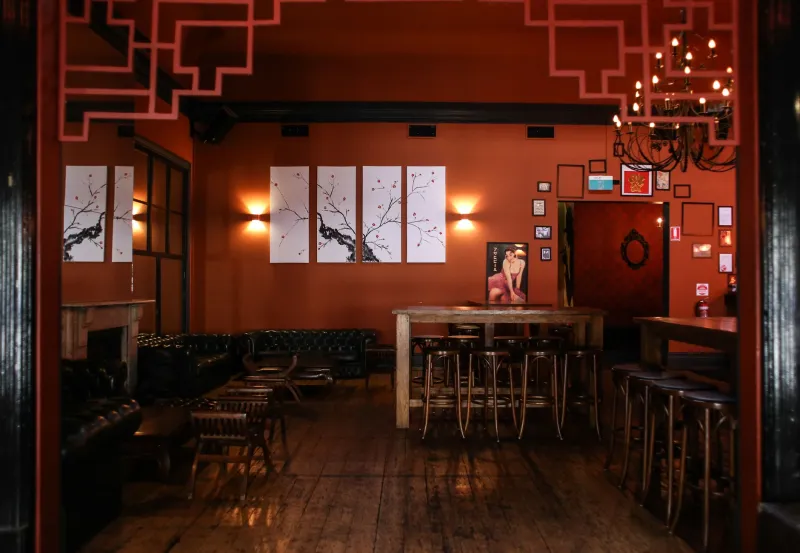
There was a time when the cinema lobby was a holding pen: a carpet, a cardboard cup, a queue for the screen. You arrived at the last minute, shuffled past someone’s coat and waited for the lights to go down. In 2026, that feels like a wasted opportunity. The best independent cinemas have turned the foyer into an overture — a place to meet, drink, browse, argue about the trailer reel and settle into the evening before the projectionist has even threaded the film.
This is not nostalgia for sticky carpets. It is a design story, a snack story and a social story. The cinema that understands its lobby understands that going out is not just about the two hours in the dark. It is about the half-hour before, when you are still deciding what kind of night it is going to be.
The lobby as a first act
The most charming foyers do three things well. They give you somewhere to sit that is not a queue. They sell a drink you actually want to drink. And they let the building tell its own story — Art Deco tiles, Edwardian plasterwork, a bar built into an old ticket booth, a poster wall that looks curated rather than dumped.
That matters more as cinema-going becomes more deliberate. If you are leaving the house in 2026, you want an occasion. A good foyer gives you one without resorting to a themed cocktail menu or a photo opportunity. It simply says: stay a minute. Have a glass. Read the programme. This is part of it.
Five foyers worth a detour
The Rio, Dalston
The Rio is the kind of cinema that feels like it has been holding court in East London forever, because it nearly has. The foyer has a proper neighbourhood buzz — a bar, a bit of Art Deco swagger and a crowd that treats a Monday screening like a reasonable excuse for a glass of wine. Arrive twenty minutes early, order something cold and watch the room fill up. It is people-watching with a film attached.
Hyde Park Picture House, Leeds
This is a picture house that understands ritual. The building is handsome, the bar is welcoming and the interval habit feels less like a throwback than a sensible piece of pacing. There is time for a drink, a chat and a trip to the loo without missing the best bit. In a world of three-hour runtimes, that is not nostalgia; it is hospitality.
Glasgow Film Theatre
Glasgow’s cinema crowd is serious in the best way: opinionated, loyal and happy to argue about a director’s lesser works over a drink. The GFT foyer has that mix of bustle and calm that makes a city cinema feel like a club you can join for the price of a ticket. The bar is the point. The posters are the conversation starter. The film is the excuse.
Tyneside Cinema, Newcastle
There is a lovely old-school theatricality to the Tyneside’s spaces, and the foyer leans into it without turning into a museum. You can feel the building’s history — newsreel, repertory, the whole black-and-white romance of it — while still getting a decent coffee and a seat that does not require a cushion. Arrive early enough to wander. The architecture is part of the ticket.
Duke of York’s Picturehouse, Brighton
Brighton’s oldest cinema has the kind of foyer that makes you want to linger even if your film is starting. It is not slick; it is characterful. There is a bar, a buzz and a pleasing sense that the building has seen several generations of first dates, rainy afternoons and bad decisions. The pre-film drink here feels less like upselling and more like a local custom.
Snacks, intervals and other civilised business
The snack question divides people. Pelia’s position is simple: eat what you like, but eat it quietly. A bag of crisps opened in a silent cinema is a hostile act. A proper glass of something in the bar beforehand is a pleasure. Popcorn from a ceramic bowl in a foyer? Even better. The best independent cinemas understand that the snack is part of the atmosphere, not a challenge to the sound mix.
And then there is the interval. Long may it return. A well-placed interval is not an interruption; it is a breather, a chance to top up, compare notes and come back to the second half with fresh eyes. It also makes a longer film feel like an event rather than a endurance test. The venues that do it well — with a clear announcement, a decent bar queue and a firm hand on the timing — make the whole evening feel more generous.
The Pelia pocket rules
Arrive early enough to have a drink without rushing. Sit at the bar if there is one. Read the programme rather than scrolling. Ask the staff what they are excited about — they usually know. If there is an interval, take it. If there is a Q&A, stay for ten minutes even if you think you won’t. And if the foyer is charming enough to make you miss the first trailer, console yourself: the warm-up was part of the show.
In 2026, the cinema is not just the screen. It is the room before the room. Choose the foyer with care, and the night starts earlier — and ends better.