Soap Opera: The Quiet Drama of Britain’s Hand Car Washes
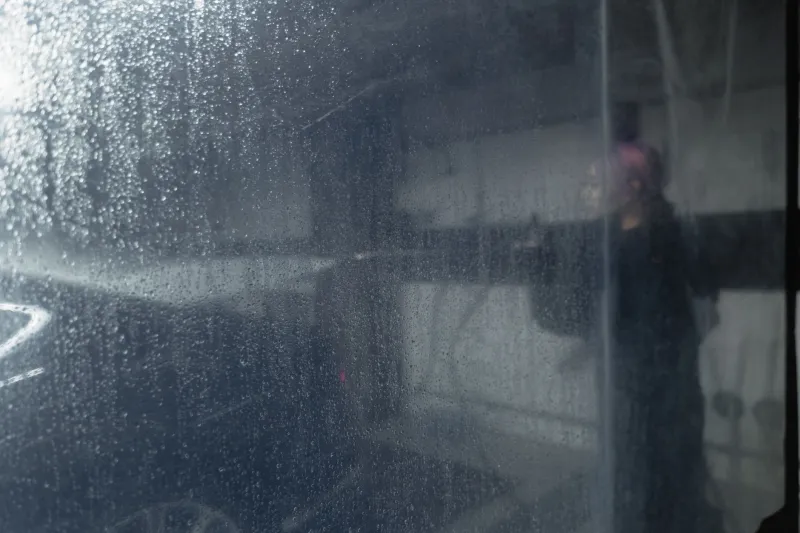
There is a particular sound to a British hand car wash on a Sunday morning. It is the slap of a wet sponge, the hiss of a pressure washer, the low murmur of a radio left on a shelf, and the occasional cheerless squeak of a chamois leather being wrung out. You hear it before you see it: a converted petrol station, a corner of a retail park, a scrap of forecourt beside a tyre fitter. The sign is laminated, the prices are chalked, and the queue is already three cars deep.
This is not the automatic wash at the end of a supermarket car park, with its brushes and its ominous warning about aerials. This is a hand car wash: a place where your car is cleaned by people, in front of you, while you sit on a plastic chair and try not to look too attached to your alloy wheels. It is a service, obviously. But it is also something closer to theatre—a small, ordinary, perfectly staged drama that plays out across Britain every weekend.
The forecourt as stage
The set is rarely designed, and that is precisely its charm. A hand car wash makes a theatre out of whatever is to hand: a cabin that once sold newspapers, a length of blue tarpaulin, a stack of old tyres acting as a sort of improvised wings. The signage is often a triumph of optimism over typography—HAND CAR WASH £8, VALET FROM £25, CASH ONLY—and the bunting, if there is any, is more likely to be a string of air freshener trees than a flag.
The audience arrives in hatchbacks and estates, in vans with ladders on the roof, in the family car with a crisp packet in the footwell. They queue with the patience of people who know the script. No one is in a hurry, because everyone has factored in the wait. Sunday morning is the peak time, when the week’s commute and the Saturday night takeaway are finally washed away. The car wash is a place for the aftermath of real life.
A choreography of buckets and hoses
What makes the hand car wash so compelling is the movement. A good team works like a small ensemble: one person preps the car, another foams it, another scrubs the wheel arches, another rinses, another dries. There is pointing, nodding, a raised hand. Someone signals to someone else with a jerk of the chin. A hose is passed over a bonnet like a baton. It is not chaotic; it is choreography, refined by repetition and the practical need to get the next car in.
You watch your own car being transformed and feel a mild, irrational sense of pride. You also watch the team, because they are the show. They wear waterproofs and trainers, sometimes wellies, sometimes just a hoodie and a look of steady concentration. They know the difference between a quick rinse and a proper job. They know which bit of the car you care about, even if you have not said. The forecourt has its own grammar: the raised hand, the nod, the pointed finger at the wheel arch. No one claps. Everyone watches.
The plastic chair is the front row
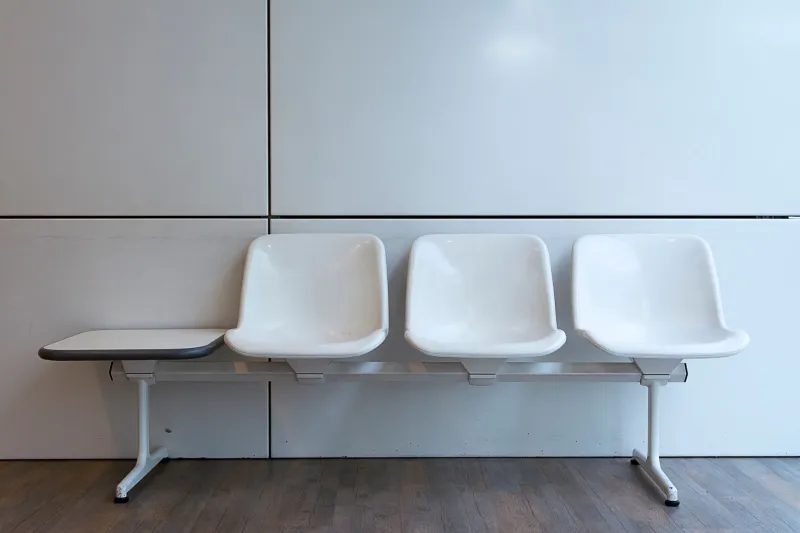
Design lovers might pretend not to notice the furniture, but the plastic chair is the heart of the hand car wash. It is the stackable, wipe-clean, slightly sun-faded chair of village halls and church fetes. It is the front row, the waiting room, the green room. It says: sit down, you are not in charge here. It also says: this will take fifteen minutes, and you will be fine.
The design of the whole place is accidental but coherent. The price list is laminated because of the rain. The kettle is in the cabin because of the cold. The air freshener trees hang in a fragrant curtain because they are cheap and they sell. There is no branding strategy, no colour palette, no thought of a Instagrammable moment. And yet there is a look: provisional, practical, a bit worn at the edges. It is high street design without a design budget, and it works.
The handover
Then comes the moment that makes the whole thing tick: you hand over your keys. It is a small act of faith. You do not know the name of the person taking them. You do not have a receipt, necessarily. You have a queue behind you and a vague sense that this is fine. And it is fine. The car wash is one of the last places in Britain where you can leave your keys with a stranger and not think about it twice—or at least not until you see them reverse.
The handover is a transaction, but it is also a performance of trust. The driver becomes an audience member; the team becomes the cast. You sit back down. You watch your car move forward. You see someone open the door and vacuum the mats, and you feel a strange, proprietary satisfaction, as if you are watching a difficult bit of parking being solved by professionals.
A very British kind of theatre
What makes these places so quietly social is that they are not trying to be. There is no host, no menu, no background music chosen for the mood. There is just a forecourt, a queue, and the shared understanding that this is a job worth doing properly. People chat about the weather, the football, the state of the roads. Regulars get a nod. Someone’s dog waits in the back of a car with the window cracked open. It is a social room without walls, and it costs the price of a wash.
It is also a reminder that Britain is good at making do. We are not a country that needs a grand piazza to create a bit of theatre. A folding chair, a hose, a laminated sign and a bit of Sunday morning patience will do. The hand car wash is not glamorous. It is not meant to be. It is honest, efficient and faintly ridiculous, and that is exactly why it works.
So the next time you queue for a wash, look around. You are not just buying a clean car. You are buying a ticket to a small, ordinary, perfectly staged drama—one with a cast of strangers, a plastic chair for a front row, and a happy ending you can drive away.